Lombardy Pasta
Pizzoccheri
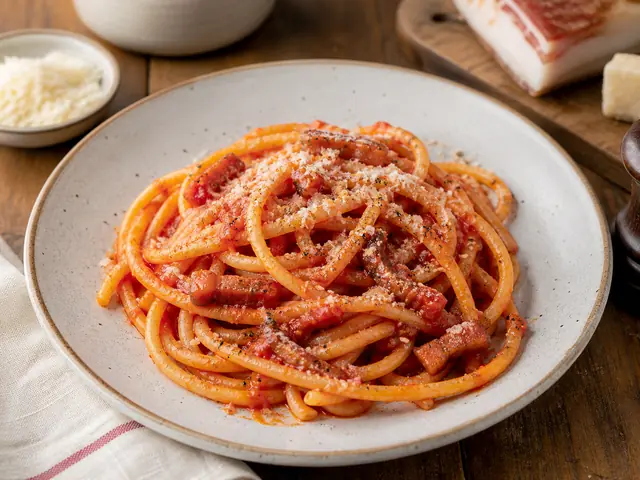
Make pizzoccheri with buckwheat pasta, potatoes, cabbage, Valtellina Casera cheese, butter, garlic, and sage.
- Prep
- 20 min
- Cook
- 25 min
- Rest
- 2 min
- Total
- 47 min
- Serves
- 4
- Level
- Moderate
Before You Start
Plan on 2 min of inactive resting, chilling, proofing, or cooling time in addition to the active prep and cook time.
- Do not drain all the pasta water; the starch is your sauce insurance.
- Do not add cheese or eggs over aggressive heat.
- Do not wait to serve once the sauce is glossy.
Instructions
- Bring a large pot of salted water to a boil and add the potatoes. Wait for a lively boil before adding the main ingredient, then adjust the heat so the pot stays active without foaming over.
- After 5 minutes, add the cabbage and cook until both vegetables are nearly tender. Keep the pan moving and watch the sauce texture; add liquid in small splashes so the pasta stays coated, not wet.
- Add pizzoccheri and cook until the pasta is al dente. Aim for pasta that is just shy of done; if it softens fully now, it will overcook during the final toss or bake.
- Meanwhile, melt butter with garlic and sage until fragrant and lightly nutty, then discard the garlic. Keep the pan moving and watch the sauce texture; add liquid in small splashes so the pasta stays coated, not wet.
- Drain the pasta and vegetables, reserving a little cooking water. Keep the pan moving and watch the sauce texture; add liquid in small splashes so the pasta stays coated, not wet.
- Layer the hot pasta mixture with Casera and Parmigiano-Reggiano in a warm bowl. Work off direct heat or with gentle heat; if the mixture tightens, pause and loosen it gradually before continuing.
- Pour the sage butter over the top, toss gently, and rest for 2 minutes so the cheese melts. Work off direct heat or with gentle heat; if the mixture tightens, pause and loosen it gradually before continuing.
Success Cues
- The sauce looks glossy and clings to the pasta instead of pooling in the pan.
- The pasta is al dente after the final toss, with no chalky center and no soft edges.
- The strongest aroma comes from the key seasoning, not from scorched garlic, cheese, or pepper.
Troubleshooting
- The sauce clumps or breaks.
- Take the pan off the heat, add a spoonful of hot pasta water, and toss until glossy before adding more cheese or fat.
- The pasta tastes flat.
- Salt the cooking water properly and finish with a small adjustment of cheese, pepper, herbs, or olive oil while the pasta is hot.
- The pan looks watery.
- Keep tossing over gentle heat for 30 to 60 seconds so starch can tighten the sauce around the pasta.
Make Ahead
Prepare grated cheese, chopped aromatics, and any sauce base before boiling the pasta; finish Pizzoccheri right before serving.
Storage
Best eaten immediately. Refrigerate leftovers for up to 1 day and reheat gently with a splash of water, knowing the texture will be softer.
Serving Ideas
- Serve with a bitter green salad or simply cooked seasonal vegetables.
- Warm shallow bowls help the sauce stay fluid at the table.
- This is hearty mountain food; serve modest portions with a sharp salad or pickled vegetables.
This pizzoccheri recipe follows the hearty Valtellina idea of buckwheat pasta with cabbage, potatoes, melted cheese, and sage butter. It is filling, rustic, and best served immediately.
Why This Pizzoccheri Recipe Works
Cooking potatoes, cabbage, and noodles in the same pot makes the dish cohesive. Layering cheese with the hot pasta melts it without needing a heavy sauce.